
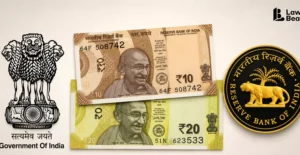
 The Central Government has approved the Reserve Bank of India’s (RBI) proposal to conduct field trials of polymer banknotes in ₹10 and ₹20 denominations. The RBI plans to introduce 100 crore ₹10 polymer notes and 100 crore ₹20 polymer notes, taking the total pilot to 200 crore notes, with a combined face value of around ₹3,000 crore. Longer-Lasting and More Durable
The pilot is aimed at evaluating the performance of polymer banknotes in real-world circulation. According to the government, international studies indicate that polymer notes have a significantly longer lifespan than conventional paper banknotes, making them potentially more durable for frequently handled low-denomination currency.Polymer currency is also being considered for its potential security advantages and resistance to wear and tear, which could help improve the overall durability and security of banknotes. Paper Notes Will Not Be Immediately Withdrawn
The government has clarified that there is currently no proposal to replace paper currency with polymer notes. During the trial phase, polymer and paper-based ₹10 and ₹20 notes can circulate alongside each other.If the field trials are successful, regular issuance of polymer notes in these denominations can be considered. The RBI Governor has indicated that wider circulation could begin around the start of FY 2027–28, subject to the outcome of the trials.
What This Means for the Public
₹10 and ₹20 polymer notes will be tested.
200 crore notes are planned for the field trials.
Total face value: approximately ₹3,000 crore.
Polymer notes are expected to be more durable than paper notes.
The move also aims to strengthen currency security.
Existing paper notes will remain valid.
Wider circulation will depend on the success of the field trials.