 Dr. Sreekanth Vemula Highlights Emerging Non-Invasive Brain Stimulation Technology
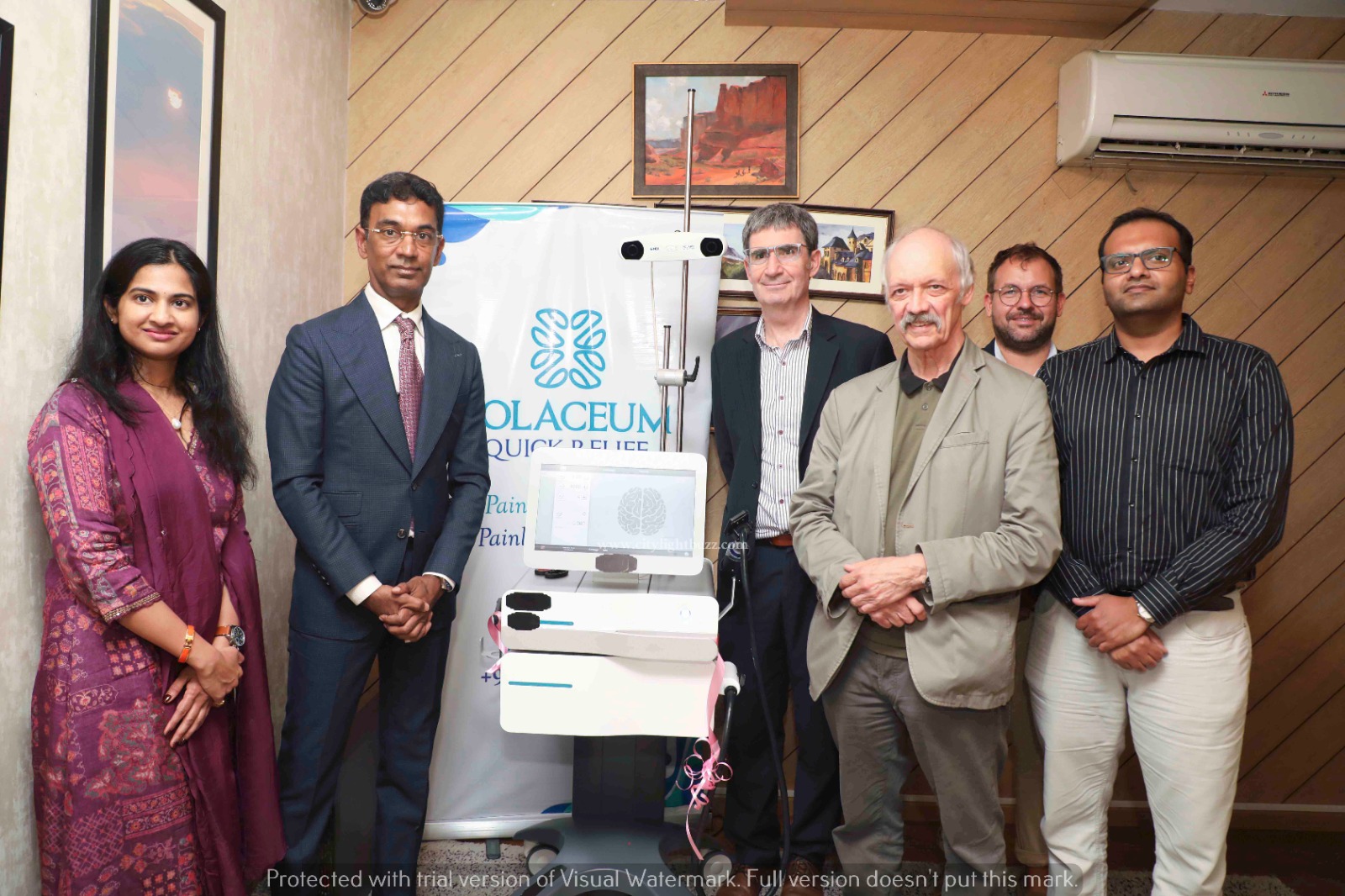
Hyderabad September 01.09.2026, A new technology aimed at expanding treatment options for people living with neurological conditions has been introduced at Solaceum Centre of Excellence in Hyderabad. Transcranial Pulse Stimulation (TPS) is being offered as an emerging, non-invasive neuromodulation approach, particularly in the area of Alzheimer’s care, according to neurophysician Dr. Sreekanth Vemula.
Alzheimer’s disease remains a major neurological challenge for patients, caregivers and families. While TPS is not a cure for Alzheimer’s, emerging research suggests it may have potential as an adjunct to standard care, particularly in areas such as cognitive and neuropsychiatric symptoms.
How TPS Works
TPS uses focused acoustic pulses directed at specific areas of the brain. Unlike surgical procedures, it is designed as a non-invasive form of brain stimulation. Research has suggested that TPS may influence brain activity, functional connectivity and neuroplasticity.
According to Dr. Sreekanth Vemula, the technology has been introduced at Solaceum Centre of Excellence as part of efforts to explore advanced neurological care options.
What Does Research Say?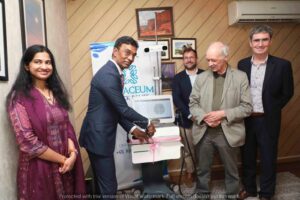
Clinical research into TPS is still developing. A randomized clinical trial involving 60 people with Alzheimer’s disease found improvements in cognitive scores in a younger subgroup following TPS, along with changes in memory-associated brain activation and functional connectivity. Researchers concluded that TPS showed promise as a potential add-on therapy, while emphasising the need for further research.
Earlier studies have also reported improvements in neuropsychiatric symptoms, although some research has involved small sample sizes and further controlled studies are needed to establish the technology’s effectiveness more firmly.
Beyond Alzheimer’s Disease
Dr. Vemula also said TPS is being explored in other neurological and neurodevelopmental conditions, including memory loss, Parkinson’s disease, atypical Parkinsonism and autism spectrum disorders.
The introduction of TPS in Hyderabad represents another development in the growing field of non-invasive neuromodulation, offering patients and families an additional area of neurological treatment and research to discuss with qualified specialists.
Importantly, TPS should be viewed as an emerging therapeutic approach rather than a definitive cure for Alzheimer’s disease, and treatment decisions should be made in consultation with an appropriate medical specialist